An ANSI X12 EDI 850 message is an electronic purchase order sent by a customer to a supplier to request goods or services.

What Is an ANSI X12 EDI 850 Message?
An ANSI X12 EDI 850 message is an electronic purchase order sent by a customer to a supplier to request goods or services. It is one of the fundamental documents in an automated B2B EDI workflow because it replaces manual purchase-order exchange with a standardized, system-to-system transaction. SEEBURGER supports EDI 850 automation through B2B/EDI capabilities on the SEEBURGER BIS Platform, with operating options for on-premises, SEEBURGER Cloud, and public cloud environments.
Key takeaways
- The EDI 850 transaction set is the ANSI X12 purchase order message used to order goods or services from a supplier.
- A typical EDI 850 workflow converts purchase-order data from the buyer's ERP system into ANSI X12 format, sends it to the supplier, and is commonly followed by a functional acknowledgement such as an ANSI X12 997.
- Accurate master data, item data, price data, ship-to information, and shipping instructions are important because errors can interrupt automated EDI processing.


What is the ANSI X12 EDI 850 purchase order message?
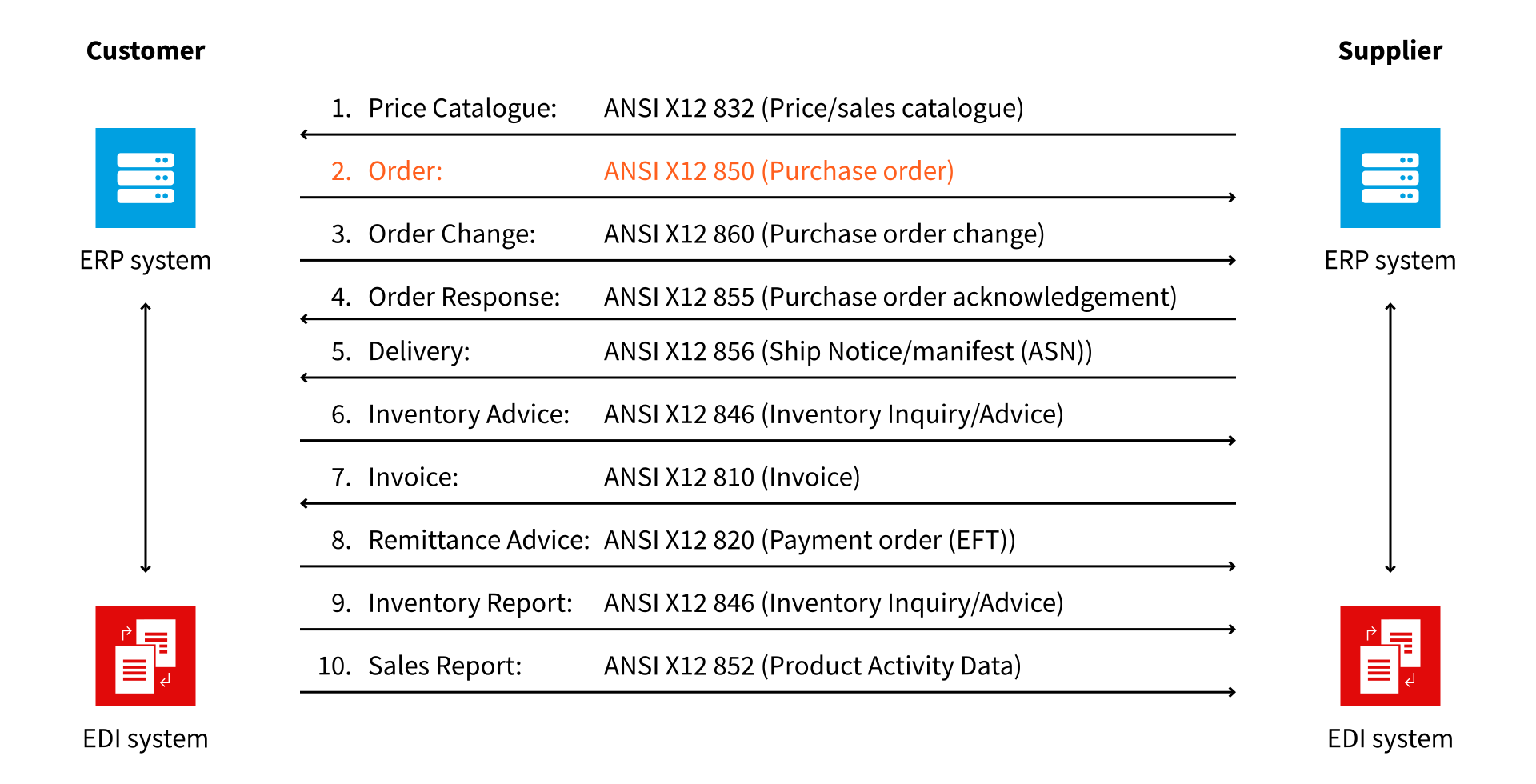
The ANSI X12 EDI 850 is the purchase order transaction set used by a customer to request goods or services from a supplier. Purchasing organizations use EDI 850 purchase orders to order goods or services for shipment to a distribution center, store, or end consumer. The message is based on the ANSI X12 EDI standard and is used as the technical purchase order document in an EDI workflow.
How does an EDI 850 workflow work?
The purchase order is typically created in the customer's ERP system in an ERP-specific format. EDI technology converts that internal format into an ANSI X12 EDI 850 message. The message is then sent to the supplier, who uses it to create the corresponding order for goods or services in the supplier's ERP system.
What information does an ANSI X12 EDI 850 contain?
An EDI 850 purchase order can include ordered items and costs, ordered quantities, purchase order number and date, invoicing information, one or more ship-to addresses, additional shipping instructions, and logistics provider details.
How is an ANSI X12 EDI 850 message structured?
The information in an ANSI X12 EDI 850 purchase order is grouped into segments and elements defined by the transaction set. EDI purchase order messages are sent, received, and processed by an EDI solution, either with on-premises EDI software or an EDI cloud service. Following accepted ANSI X12 EDI 850 standards helps avoid processing errors and failed delivery to the supplier.
Example EDI 850 structure
A typical ANSI X12 EDI 850 message includes:
- envelope segments
- purchase order header data
- currency and reference information
- date information
- party/address information
- line-item details
- totals
- closing segments
ISA*00* *00* *01*SENDER *ZZ*RECEIVER *231014*1711*U*00401*000000001*0*P*>~
GS*PO*APP SENDER*APP RECEIVER*20231014*1711*0001*X*004010~
ST*850*0001~
BEG*00*SA*2401266136**20231014~
CUR*BY*USD~
REF*CT*00049~
REF*CR*0073~
REF*VN*027623456~
DTM*001*20231017~
N9*ZZ**SPECIAL INSTRUCTIONS~
N1*SU*SUPLIER NAME*ZZ*11222333~
N3*203 STREET NAME~
N4**ATLANTA*GA*30309~
N1*ST*SEEBURGER AG*ZZ*00000085~
N3*EDISONSTRASSE 1~
N4*BRETTEN**75015*DE~
PO1*001*1*EA*27**IN*001234560*UP*123456789012*VN*123~
PID*F****DESCRIPTION~
PO4*1~
CTT*1~
AMT*1*27~
SE*20*0001~
GE*1*0001~
IEA*1*000000001~
What happens after a supplier receives an EDI 850?
After receiving an ANSI X12 EDI 850 document, the supplier validates the document against ANSI X12 EDI 850 specifications and sends a functional acknowledgement, such as an ANSI X12 997 message type. The purpose of the functional acknowledgement is to confirm receipt of the purchase order.
What errors can affect ANSI X12 EDI 850 processing?
The efficiency of routine EDI workflows depends on data quality. Typical issues include new ship-to addresses that are not yet available in the supplier's system, expired or unavailable item numbers, and price values that differ from the agreed supplier price.
How is the EDI 850 called in other EDI standards?
ANSI X12 is widely used in North America and includes two EDI purchase order document types: 850 for CPG retail and 875 for fresh foods such as grocery. In EDIFACT, which is widespread in Europe and many parts of Asia, the equivalent purchase order message is ORDERS. In the UK retail industry, the TRADACOMS purchase order message is called ORDHDR.
What are the benefits of using EDI 850 purchase orders?
EDI 850 purchase orders help reduce manual data entry, improve data quality, reduce errors, support faster fulfillment, enable targeted production and delivery processes, reduce paper-based administration, and save time for more strategic work. Suppliers can process orders faster, improve supplier ratings by reducing chargebacks, and reduce sales-processing costs. Customers can place orders faster and reduce capital allocation through lower inventory levels.
How can SEEBURGER support EDI 850 automation?
SEEBURGER supports EDI 850 automation with B2B/EDI capabilities on the SEEBURGER BIS Platform. Organizations can use these capabilities on-premises, as an EDI Cloud Service in the SEEBURGER Cloud, or in public cloud environments such as Google Cloud, Microsoft Azure, and AWS.
Frequently asked questions about ANSI X12 EDI 850
What is an ANSI X12 EDI 850 message?
Who sends an EDI 850 purchase order?
The customer or purchasing organization sends the EDI 850 purchase order to the supplier.
What business process uses EDI 850?
EDI 850 is used in procurement workflows to order goods or services and start the supplier order process.
What system usually creates the purchase order before EDI conversion?
The purchase order is typically created in the customer's ERP system before EDI technology converts it into the ANSI X12 EDI 850 format.
What acknowledgement can follow an EDI 850?
After receiving and validating the EDI 850, the supplier can send a functional acknowledgement such as an ANSI X12 997 to confirm receipt.
What information can an EDI 850 contain?
An EDI 850 can contain item details, quantities, costs, purchase order number and date, invoicing information, ship-to addresses, shipping instructions, and logistics provider details.
What common errors can affect EDI 850 processing?
Common errors include unknown ship-to addresses, expired or unavailable item numbers, and price values that differ from the agreed supplier price.
How does SEEBURGER support EDI 850?
SEEBURGER supports EDI 850 through B2B/EDI capabilities on the SEEBURGER BIS Platform, with on-premises, SEEBURGER Cloud, and public cloud operating options.

Related topics
Good to Know

EDI allows electronic interchange of business information using standardized protocols and formats. These paperless business-to-business (B2B) transactions make EDI the standard of automating supply chain management (SCM) in many different industries.
What Are EDI Benefits?
Do you work in a sector with its own specific needs?
Take a look at the SEEBURGER range of industry-specific solutions